WHAT IS COMMON BARBERRY? RASOUT: MEDICINAL BENEFITS AND USES OF COMMON BARBERRY


COMMON BARBERRY, EUROPEAN BARBERRY BERBERIS VULGARIS
The common barberry is native to the British Isles, most of Europe and North Africa and temperate Asia, and grows in Pakistan along with Berberis lycicum and has similar properties to it and Berberis aristata. However it has red, not blue black berries, which are oblong and slightly rounded. In Urdu it is called Rasout and Kwarai in Pashto. The Common Barberry grows to a height of about 8 to10 feet, and has a woody stem the colour of ash, the outer covering of which is shaved off and dried, either on trays in the sun outdoors or threaded and strung across a room which is airy and gets direct sunlight.
   It is a sensitive plant, though not in the same way as Tickle Me or Wood Sorrel, its stamens move away from the petals and close to the pistil. When bees try to get their nectar, they trigger the mechanism and the anther strikes the stigma which releases pollen. In the UK it was common to see the Common Barberry in copses and hedges, but farmers didn’t like it because it is sometimes host to the rust fungus, and they believed that it would infect their crops, particularly wheat. It used to be cultivated for its fruit, which has a pleasant, acidic taste, and in the 16th century, Gerard tells is that its leaves were used “to season meat with and instead of salad.” Birds, pigs and horses tend to avoid it because of its acidity, but it’s a bee and butterfly plant. In this respect it is rather like tamarind or imli.
  The fruit was used in sweet dishes and Rouen in France was renowned for its Confiture d’ epine vinette. The Victorian cook, Mrs. Beeton recommends the berries as garnishes “The berries arranged on bunches of nice curled parsley, make an exceedingly pretty garnish for supper dishes particularly for white meats…”
   The roots, when boiled with lye make a yellow dye used in Poland for colouring leather and elsewhere for dying wool. If you chew the stem bark it will turn your saliva yellow, as does turmeric. In fact it has similar medicinal properties to turmeric (haldi). In Italy it is called Holy Thorn as it is believed that it was the Crown of thorns worn by Jesus during his crucifixion. Other trees also have the same thorns on their branches and have been given similar names, for example, the hawthorn.
   It has been used in medicine for at least 2,500 years in all countries where it grows, and the leaves are used to treat jaundice, and in Iran it is valued for its effects on the gallbladder. The berries contain malic acid and vitamin C and so far 22 alkaloids have been identified in these plants which are thought to be of medical importance, but they are still being investigated. So far it has been suggested that it may help with erectile dysfunctions as it has potent antioxidant properties because of the flavonoids it contains, and it is beneficial to the veins and arteries in general.
   You can make a jelly with the fruit using the same quantity of sugar as fruit and as it contains pectin it doesn’t need any to be added. (See recipe for plum jam and when it has cooled a little, strain through muslin or cheesecloth into sterile glass jars.) This aids digestion and helps relieve sore throats, although a gargle made from a syrup made from the berries can be diluted and also used in this way. It contains berbamine, which has positive effects on the cardio-vascular system, and is deemed to be good for arrhythmia, angina pectoris and other heart problems. Berberine is also found in this plant and this is has anti-bacterial properties and may be helpful in boosting the functions of the immune system and could aid digestion and prevent epileptic fits and convulsions. It may also be effective against candida and inflammation in the urinary tract.
  The Common barberry also regulates blood pressure and is used in Pakistan for morning sickness during pregnancy. In traditional medicine it is used on the skin to treat skin diseases such as psoriasis, and it is believed that it can help reduce the effects of aging on the brain. In homeopathy it is sometimes used for gall stones and other gall bladder problems. Like the Indian Barberry and the berberry it is also known to assist the liver and is given in cases of jaundice. The infusion of the leaves is used to relieve bronchial problems including asthma and coughs, and a tincture made from them has been used for snake bites, rheumatism and sciatica.
    In Europe the powdered root bark has traditionally been used to cure dyspepsia and aid digestion, as well as to stop sickness and diarrhoea. It is thought that the daily dose for jaundice and general debility and sickness is ¼ tsp of powdered bark taken 3 or 4 times a day. The tisane from the bark or leaves may be used as an antiseptic, as can the fruit as it has astringent properties.
   It can also be used in the same ways as the Indian Berberry.

MORELLO CHERRIES OR SOUR CHERRIES: MEDICINAL BENEFITS AND USES OF MORELLO CHERRIES: CHERRIES JUBILEE RECIPE


MORELLO CHERRIES, SOUR CHERRIES, PRUNUS CERASUS
There are many varieties of morello cherries or sour cherries and some of the most famous are the English morello cherries. The other variety of sour cherry is the amarelle but these are a paler colour than morellos which are black, with dark red flesh. They have a tart flavour in comparison to the red sweet cherries, Prunus avium (meaning bird’s plums). They are soft, succulent and used in preserves, tarts, Black Forest gateau and kirsch, among other things. It is thought that the word, kirsch comes from the Mesopotamian word “ karshu” where the first cultivated cherries grew in the 8th century BC.  Like the sweet cherry they are members of the rose family and a relation of the plum.
   The name, cerasus, shows the origin of these cherries, which was Cerasus on the black Sea coast in what is now Turkey, and the name has changed to Gireson. Cerasus was famous for its cherries in ancient Greece, but it is believed that the Romans took cherries to Britain from Persia in the first century AD. Legend has it that you can trace the old Roman roads by the wild cherry trees, as soldiers in the Roman legions spat out the cherry stones as they marched.  
   The sour cherry tree is much hardier than the red cherry tree as it can withstand extremes in temperatures and as it flowers later the fruit is less likely to be harmed by frost.
  In the Middle Ages cherries were widely grown in monastery and private gardens and it is only in recent years that the cherry trees have suffered a decline in Britain which now imports the majority of cherries consumed there.
   Cherry juice is extremely beneficial for us and tastes good, unlike beetroot juice which is something of an acquired taste. They have antioxidant and anti-inflammatory properties, and a rich in B-complex vitamins and vitamin C and also contain vitamin A and are rich in the minerals phosphorous and calcium. They also contain iron and if you drink a glass of morello cherry juice every day you will ensure the healthy functioning of the gall bladder and liver. The anthocyans they contain can inhibit the growth of cancerous tumours and can slow cardiovascular disease.
   The poet A.E. Housman (1859-1936) was born in Worcestershire and would have seen many flowering morello cherry trees. He wrote these lines: -
     Loveliest of trees, the cherry now
Morello-Cherry-Flower
     Is hung with bloom along the bough
     And stands about the woodland ride
     Wearing white for Eastertide.”
Cherries were the inspiration for Robert Herrick (1591-1674) the poet who wrote the lines which were set to music in the 19th century.
    “Cherry ripe! Cherry Ripe,
     Cherry ripe I cry,
     Come fools and fair ones, come and buy.”                                                            The cherry was seen as a symbol for the hymen and virginity, so this particular poem has a double meaning which it would seem the staid Victorians had not realized, as the song became very popular - or maybe they weren’t as prudish as we believe. Cherry trees have also been seen as symbols of fertility and at one time there was a superstition that if a woman who had just given birth ate the first cherry from a tree, the tree would yield a very good crop for its owner. In Elizabethan times and later, the stones from cherries were heated and put in bed pans to warm beds. As the tree bark and stems of cherries smell faintly of almonds, the stones would probably also have had this aroma which was left on warm bed sheets.
   Of course Anton Chekhov wrote a play called “The Cherry Orchard” which used the symbolism of the cherry.
   The recipe below was created by the famous chef, Escoffier on the occasion of Queen Victoria’s Jubilee.


CHERRIES JUBILEE
Ingredients
2 lbs morello cherries, pitted
¼ pint morello cherry juice
½ cup sugar
3 tbsps butter
½ cup kirsch or cherry brandy
grated zest of ½ an orange (optional)
grated zest of  1 lemon (optional)

Method
Put the cherries, juice and sugar in a pan over a medium heat and stir until the sugar has dissolved. (3-5mins)
Add the butter and stir until it has melted and is thoroughly mixed into the liquid.
Remove the pan from the heat and add the kirsch then return to a medium heat and bring to the boil.
Put ice cream into bowls and top with the cherry mixture and serve immediately.
This has Taste and is a Treat.


ASH TREE: HEALTH BENEFITS , USES AND HISTORY OF ASH TREE


THE ASH TREE, FRAXINUS EXCELSIOR
The ash tree is the fourth most common tree in Britain and can sometimes be the most prevalent species in a wood. It grows across Europe from the Arctic Circle to Turkey and also grows in the Himalayas. It is Yggdrasil of Scandinavian mythology, the Tree of the World which has its roots in Hell and touches Heaven, and is also known as Tree of Rebirth and Healing. It was one of the three sacred trees of the Druids, along with the oak and the hawthorn. Despite the similarity of names, the ash tree is a relative of the olive tree, but not of the Mountain ash or rowan.
   The fruit of the ash tree comes in the form of seeds which are encased and hang from the trees; these are called keys in the UK and children often call them aeroplanes because they fly well on a breeze. The bark is pale grey with lattice-like ridges and fissures. When cut it exudes a sap which the ancient Greeks called “meli” or honey as it is sweet, being made up of natural sugars. This was sold for medicinal purposes under the name of Manna until the start of the 20th century. (This species of ash tree is Fraxinus ornus and grows on mountains in Greece.) In times past in Britain, newborn babies were given a spoonful of this substance and after that they and the ash tree from which the sap came were thought to be related. The health of the ash tree and the human relative were thought to be identical, so the person whose tree it was would protect it so that no harm came to him or her.
Ash keys
   The Anglo-Saxons, ancient Greeks and Romans used the ash for their spears (the Anglo-Saxon name for the tree, aesc means spear) and handles of their shields, as it is shock resistant. For this reason it was used to make the chassis frame of classic Morgan cars in Britain, and during World War II wings of the De Haviland Mosquito plane were made from this wood. It has also been used to make walking sticks and is still used to make furniture. The Romans and Anglo-Saxons used the wood for tool handles and to make agricultural implements. It is used to make oars and sports equipment such as hockey sticks, and it is thought that the Druids used it to make their wands.
   There have been many medicinal uses of the ash tree, and some involved using the whole tree; for example a child with rickets or a broken limb would be passed through a cloven tree, naked, in a ritual ceremony, to heal the affliction. Ash trees seem prone to lightning strikes, so trees can be found struck in two. They were thought to be good to plant outside houses to protect them from lightning. The tree can live for over a hundred years and although they usually have a girth of 5 to 6 feet, can be as big as 20 feet in diameter. They are usually between 30 and 50 feet tall, but sometimes grow to around 70 or 90 feet. Some have achieved a dizzying 135 feet. They kill most vegetation growing under them though, rather as does the banyan tree among others.
Ash flower
   William Gilpin (1724-1804) called the ash tree “the Venus of the Woods” and the English poet Spenser says the ash is “for nothing ill.” Indeed it was believed to have many medicinal properties, as the bark and bark of the root have astringent properties, and have been used in decoctions to help in fevers, to remove obstructions in the liver and spleen and for rheumatism and arthritis. The leaves (which according to tradition should be gathered in June and dried then powdered and kept in an air tight container to last for a year as will the seeds) are diuretic and diaphoretic, so promote sweating, and have been used for their purgative qualities and as a cure for jaundice. An infusion can be made from 1 ounce of the bark to 1 pint of boiling water, leave this to stand for 20 minutes and then strain, and use as a diuretic or to promote sweat. Distilled water made with the leaves was used for weight loss and given in cases of obesity, and “dropsy” and with white wine were thought to dissolve kidney stones.
Ash keys
  Culpeper recommends that the seeds should be extracted from the seeds: “the kernels within the husks commonly called keys…prevaileth against stitches in the side.” The keys were said to relieve flatulence and John Evelyn (1620-1706) recommended them as a substitute for capers in salads and sauces if they were preserved in salt and vinegar: - “Ashen keys have the virtue of capers.”
    Gerard says this of the ash: -
     “The juice of the leaves or the leaves themselves being applied or taken with wine cure the bitings of  vipers, as Dioscorides saith ‘The leaves of this tree are of so greate virtue against serpents so that they dare not so much as touch the morning and evening shadows of the tree, but shun them afar off as Pliny reports.’”
    The Physicians of Myddfai had this recipe to cure deafness:
      “Take a ram’s urine, and eel’s bile and the juice of ash, expressing the same into the ear and about the tooth. The actual cautery should be applied behind the ear and angle of the jaw, a nut being inserted therein. This is a good plan.”
 That, of course is for you to decide!
     Traditionally the ash tree’s bark, roots and leaves have been used to treat cancerous growths that are external, as pain killers, anti-inflammatory for gout, rheumatism and arthritis, and to get rid of intestinal worms.
     Modern medical research has shown that the seed extract can be used in the future to help in the treatment of diabetes, as well as to regulate uric acid in the blood so it can be used in the treatment of gout. Fraxtin, a bioflavonoid found in the tree has strong antioxidant properties, and a secoiridoid glycoside in the tree, Excelsioside, has exhibited free radical scavenging activities, so will combat the growth of cancer cells. It also contains quercetin, another bioflavonoid with antioxidant properties, and oleuropein which is also present in olive oil, which has anti-inflammatory properties, is cardio-protective and also has anti-cancer, antimicrobial anti-artherogenic, and antiviral qualities.
   There is an old saying about the oak and the ash trees:
    “Oak before Ash, in for a splash
    Ash before Oak, in for a soak,”
This means that if the oak flowers before the ash tree it won’t be a wet summer, but if the ash flowers before the oak then it will be wet.
  There are several songs about the ash tree, including the traditional Welsh song, The Ash Grove, (Llwyn Onnan) which is about a grieving lover roaming the ash grove where his love is buried. The first verse goes like this:
Ash flower
  “Down yonder green valley where streamlets meander
   When twilight is fading I pensively rove,
   Or at the bright noontide in solitude wander
   Amid the dark shade of the lonely ash grove.”
Then there is the more cheerful, although still nostalgic traditional song,
   “The Oak and the Ash and the Ivy tree
     Oh, they flourished best at hame in the north countrie.”
  It is also said that you will have prophetic or psychic dreams if you sleep with a handful of Ash leaves under your pillow.


INDIAN PIPE PLANT OR GHOST PLANT- HEALTH BENEFITS AND HOW TO USE IT


INDIAN PIPE PLANT, GHOST PLANT, CORPSE PLANT, MONOTROPA UNIFLORA
This unusual plant has no chlorophyll, so is not green. It therefore cannot make its own food, and is a parasite having a relationship with a fungus and a tree. It takes nutrients from both and so is found under American beech and pines along with types of mushrooms which include the Russula and Lactarius mushrooms. Its roots tap into the mycelia (thread-like roots of the mushroom) and so take nutrients from it. 
The mushroom takes its nutrient from the tree which also takes nutrients from the mushroom. In other words, Monotropa uniflora is a parasite, or Mycorrhizal plant. It lives where there is decaying organic matter and can often be found close to tree stumps.
   It is native to North America and the Himalayas, Japan and parts of temperate Europe. Despite its appearance it is not a fungus. Its flowers are white, but in rare cases can be pink. Only one flower grows on each stem, and these have no fragrance, although they do have nectar which bees collect, so pollinating the plants. They flower for about a week and then die, turning black as they do so, hence the name Corpse Plant. They are very tender and succulent, but when picked will melt away and dissolve. If you pick it then it will also turn black.
   The flower is shaped like a pipe bowl and so it got its name, the Indian pipe plant, although it is also known as the Dutchman’s pipe. It looks like a calumet, the Native Americans’ pipe of peace. They used it for eye problems and pounded the roots and mixed them with water for eye lotion. White doctors used this remedy, but used rose water to mix the pounded roots with. 
You should gather the roots between September and October and dry them carefully then pound them to a powder which should be stored in airtight containers.
   The Indian Pipe Plant has been used by the Native Americans for various ailments, as a diaphoretic to promote sweat in fevers, a nerve tonic for restlessness and nervous disorders, as a sedative (it has much the same effect as opium but without the narcotic-induced dreams or hallucinations), and as a way of stopping epileptic fits. It is said to be extremely good at doing this which is why one of its names is Fit-Plant. 
The juice of the plant has been used in injections for gonorrhea and is said to be efficacious in treating inflammation and ulceration of the bladder in the form of a douche when mixed with rose water. The flowers can be chewed to relieve toothache, and a tisane can be made with the plant to help with colds and flu. You can also crush the plant on corns and bunions to ease inflammation and to eventually get rid of them.
   However, first of all you have to find this shy woodland plant, as it is even more difficult to find than the violet.


WHAT IS PINEAPPLE? ANANAS COMOSUS: HEALTH BENEFITS AND USES OF PINEAPPLE: HOW TO MAKE PINA COLADA


PINEAPPLE, ANANAS COMOSUS
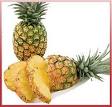
The pineapple originated in South America, but spread through the continent and into the West Indies where it was discovered by Columbus and his crew in 1493 on the island of Guadeloupe. One of the crew wrote this description of it: - “…in the shape of a pine cone, twice as big, which fruit is excellent and it can be cut with a knife, like a turnip and it seems to be wholesome.” This description seems one of the best as it does resemble an overgrown pine cone, or a hand grenade.
   Columbus took it back to Spain with him and it was apparently much liked by Queen Isabella, however it could not be cultivated with any high degree of success. Magellan found it in Brazil in 1519 and it soon spread to Asia via the European explorers where it had better survival rates.
  It got the name ananas from the native Guarani and Tupi tribes that cultivated it. Their name for it, “nana” or “anana” meant “excellent fruit”. The Spanish called it Pina de Indies (Indian pine), so in English it became pineapple. However in Greek, Urdu and French it is called ananas.
  People in the Caribbean valued the fruit highly and would put it outside their houses to welcome guests and this tradition spread to Europe with sea captains. The pineapple became a fashionable motif and can be found in carvings and on gateposts in Europe.
In Malaysia the green core of the pineapple is considered an abortifacient, and this core, along with the stem of the pineapple plant have properties that are beneficial to us. An extract from the stem which contains bromelian has been found to have anti-inflammatory properties, and can lower the risk of thrombosis. It also exhibits anti-cancer qualities. The pineapple is the only edible fruit of the bromeliad plant family, and is actually made up of about 200 fruitlets. The outside peel and central core can be given to cattle so there is not much wastage, although the plant only produces two fruits in its lifetime and the second fruit is smaller than the first. It also takes two years to produce fruit and only flowers for one day. This makes pineapples expensive to produce and on 1st October 2010 The Guardian (a leading British daily newspaper) reported that “Workers in developing nations endure injury, chemicals, low wages and union repression so British consumers can pay less” for their pineapples. This is particularly true in Costa Rica, and the newspaper went on to say that consumers who welcomed recent price cuts in the cost of pineapples on supermarket shelves, did not want those cuts to be because of bad working conditions for those who pick and cultivate pineapples.
Pineapple flower
   One-third of the world’s pineapples come from Hawaii, where Captain James Cook introduced them in 1770. They are now America’s favourite fruit after bananas, although this is probably in the form of fruit juice, and canned pineapples rather than solely the fresh fruit.
   Pineapples contain Vitamin C the B-complex vitamins, Vitamins A, E and K as well as essential amino acids, and minerals, calcium, iron, magnesium, phosphorous, potassium, zinc, copper, manganese and selenium. They are especially high in potassium and vitamin C. They provide the body with powerful antioxidant activity and the proteolitic enzymes in the fruit aid digestion.
Pineapple bush
 They are particularly good in fruit salads with kiwi fruit, strawberries, bananas, cherries, melons, and lychees. They are useful with chicken too and you can make a side salad to go with this by grating a fennel bulb, and adding chopped fresh pineapple and cashew nuts. Below is a recipe for pina colada which has been adopted as Puerto Rica’s national drink.

PINA COLADA
Ingredients
4 parts light rum (either white or light gold)
3 parts unsweetened pineapple juice
2 parts coconut cream

Method
Put all ingredients into a shaker with crushed ice and shake.
Serve with a wedge of pineapple and/or maraschino cherries.
This has Taste and is a Treat.

WHAT IS MONG PHALI? PEANUTS OR GROUNDNUTS: HISTORY AND HEALTH BENEFITS OF PEANUTS: HOW TO ROAST YOUR OWN PEANUTS


PEANUTS, GROUNDNUTS, MONG PHALI, ARACHIA HYPOGAEA
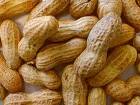
Peanuts are not actually nuts, but legumes (members of the bean and pea family) and actually grow underground, so are not tree nuts like walnuts and almonds. This is why they are called Earthnuts and groundnuts, although these names also apply to a tuber which is also called a pignut from the plant, Conopodium majus. In Urdu they are Mong Phali and in India they are known as China badem. They have their origins in South America and were cultivated in Argentina and Bolivia 4,000 years ago. They are also called Gooper Pea and Monkey Nuts. They were spread from South America by the European explorers in the 15th and 16th centuries and reached India which is still one of the largest producers of peanuts.
   In Britain when you bought them in their shells, children would take them to the cinema and throw the shells from the top tier of seats onto the audience below, so they were eventually banned from at least one cinema in the town I lived in.
    Whenever I see peanuts I am reminded of George Melly singing “The Peanut Man” and although I have searched on the Net for this song and his particular lyrics, it was to little avail, you’ll no doubt understand why when you read what I can remember of them: - “Nuts! Hot Nuts! get them from the peanut man,
    ….get them while you can…..
     …He’s got the hottest nuts in town,
   Buy them from the peanut man.”
   The plant above ground can grow to 18 inches tall and has yellow flowers, and the peanuts are ready to harvest when the leaves have yellowed. Peanuts can then be sold in their shells or unshelled, perhaps roasted or even honey roasted, and whichever way you have your peanuts, including in the form of peanut butter, they are very good for the body and brain. The oil is also good as it can withstand fairly high temperatures without burning and it has oleic acid in it as does olive oil, which is rich in antioxidant properties. Its antioxidant properties are similar to those of pomegranates, and they are more potent than from carrots and beetroot. These properties are boosted when peanuts are roasted. They also contain resveratol, a flavonoid which is present in red grapes and their finished product, red wine. This improves the blood flow to the brain and so reduces the risk of strokes.
   Peanuts are a good source of dietary fibre, protein and carbohydrates in the form of “good” fats, which include Omega-6 and -3 fatty acids. They also contain Vitamin E, and the B-complex vitamins particularly niacin, which when combined can decrease the risk of Alzheimer’s disease. As for minerals, peanuts contain iron, zinc, copper, magnesium, phosphorous and are potassium rich, with traces of selenium too. Nuts seeds (such as pumpkin seeds) help to lower blood pressure and peanuts are no exception.
    Peanuts also contain arginine, an amino acid which can help in cases of congestive heart failure, erectile dysfunction, upper respiratory ailments and type II diabetes. They have been used in some cultures as aphrodisiacs as well as anti-inflammatory agents and decoagulants.
peanut crop
  In the 19th century in the States, after the civil war, George Washington carver thought up 300 ways of using peanuts and advocated growing them instead of cotton as the cotton crops were being destroyed by the boll weevil. While we don’t use them in 300 different ways, they are used as biofuel, (the University of Georgia runs its fleet of buses for 8 hours a day on a 30% mix of peanut oil and diesel) as peanut oil is cheaper then some other oils. They are also used in the manufacturing of soap, cosmetics and lubricants, while the tops of the plants are used as fodder. The shells provide high fibre roughage in animal feed and are used in the manufacture of particle board and fertilizer, so there’s not much wastage from this plant.
  Peanuts can not only help to reduce the risk of heart disease, but can also help prevent cancer (antioxidant activities) and diabetes and may help reduce inflammation.
  At the end of the 19th century a physician in the US came up with peanut butter, although this had been made for centuries by people in other countries. Phineas T. Barnum sold bags of roasted peanuts to circus-goers in 1870 and now peanuts are served with drinks almost everywhere whether raw or roasted.
   Unfortunately many people suffer from peanut allergies, especially in the UK, so if you suffer with asthma or hay fever, you may be allergic to them. Some people also suffer from arachibutyrophobia which is the fear of getting peanuts stuck in the roof of the mouth. However for those with no peanut problem, November is designated as the month for Peanut Butter Lovers in the States.
   If you think that roasted peanuts are not worth the expensive, buy raw peanuts and use this recipe below to make your own roasted peanuts. Unsalted ones are good additions to soups and salads too, and are good in carrot halva, or added to breakfast cereals and muesli. When eaten in small amounts daily, peanuts can reduce the risk of many chronic diseases.
 
ROASTED PEANUTS
Ingredients
Shelled or unshelled peanuts
Freshly grated sea salt

Method
Freeze unshelled peanuts which still have their skin on overnight to make it easy to rub it off with your fingers.
Preunshelled they can be roasted.
Place the sheet in the oven and leave shelled peanuts for 15-20 mins, and unshelled ones for 20-25 mins.
Sprinkle with freshly grated sea salt and leave to cool.
Store them in an air tight container.
These have Taste and are a Treat.

PENNYROYAL- HEALTH BENEFITS OF PENNYROYAL, USES AND HISTORY


PENNYROYAL, MENTHA PULEGIUM
There are many varieties of pennyroyal among them the European ones and the American varieties. In Britain, pennyroyal is an endangered species, although in other parts of the world it is regarded as a pestilential weed. It is native to the Mediterranean regions and Britain is the furthest north it goes. It is rare in Ireland and probably doesn’t exist in Scotland. Apart from in Europe it is also found in North Africa and parts of Asia.
  In Britain, pennyroyal is also called Fleabane, Run-by-the-Ground and Lurk-in-the-Ditch, as it is found in such places. It is called fleabane because it was used in Roman times (according to Pliny) and afterwards (including in royal palaces) to repel fleas. Its Latin name comes from pulix meaning fleas. Pliny also said that it should be hung in bed chambers to purify the air. In Roman times physicians believed that it was better than the rose for health. It is a member of the mint family of which it is the smallest member.
  Pennyroyal has a dubious reputation as an arbortifacient, although you would have to take it in huge quantities to be effective, but it would, in such amounts, cause irreversible damage to the liver and kidneys.
  It had the reputation of being able to purify water and so sailors would take it to sea to make stagnant water potable. It was also used against sea-sickness. It is thought that it was used in witchcraft to make people have double vision. Gerard mentions that it was used to purify water, “If you have Pennyroyal in great quantities and cast it into corrupt water, it helpeth much, neither will it hurt them that drinketh thereof.” He also says that in his day (the 16th century) it was plentiful “on a common at Mile End, near London about the holes and ponds thereof, in sundrie places, from whence poore women bring plenty to sell in London markets.” He also said that “Pennyroyale taken with honey cleanseth the lungs and cleareth the breast from all gross and thick humours.” Indeed it has been thought of as a cure all in the traditional medicine of many countries.  Gerard also advocated using pennyroyal with wood betony and mead for getting rid of “putrid agues.”
   The Welsh physicians of Myddfai combined it with mugwort and southernwood as an emmenogogue and the tisane prepared from pennyroyal has been used by women for centuries to stop menstrual cramps and blockages. To make the tisane take 1 oz of pennyroyal, flowers and leaves and pour a pint of boiling water over them. Leave to steep for 15 mins and then strain. Drink a cupful and the problem should go. This tisane also has a reputation for relieving coughs, colds and bronchitis. The physicians of Myddfai also recommended this remedy for foul breath: “Take the juice of orpine, feverfew, angelica and pennyroyal, mix with honey and administer a spoonful to the patient night and morning fasting and he will recover.” They would have gathered the plant on Whit Sunday or St. John’s Eve as it was believed that it would be most effective when gathered at these times. The Welsh physicians believed that pennyroyal gathered at this time would benefit a “person who has lost consciousness in consequence of an illness.”
   In Italy pennyroyal is thought to protect against the evil eye, and in Sicily it was hung from fig trees to stop the fruit falling off the trees before it was ripe. It was also given to husbands and wives who quarreled a lot, so was the first marriage guidance herb.
  Culpeper says that taken in wine pennyroyal was good for “venomous bites” and “applied to the nostrils with vinegar revives those who faint and swoon. Dried and burnt it strengthens the gums…” He also said that it was good for gout and skin problems and mixed with vinegar could get rid of “foul ulcers” and removed bruises and black eyes. He also said that with salt it was good for the liver. Mixed with sugar-candy (presumably jaggery) he says that it was good for curing whooping cough.
   Throughout the ages pennyroyal has been added to sauces and stews and was known as Pudding Grass, although pudding here means a meat dish, perhaps made of offal rather than a dessert. It was used as an aid for the stomach, to promote sweating in cases of fever, as a stimulant and to cure headaches, when worn around the head. Its leaves yield an essential oil which is more bitter and less used than that of mint or spearmint. This is sometimes used in the cosmetic industry. If you rub the fresh bruised leaves on your skin, it should keep biting insects at bay. The juice of the leaves rubbed onto corns on the toes is said to get rid of them. Pennyroyal water which has been distilled from the leaves is supposed to be good to stop spasms of the muscles including those of the uterus, and good for hysteria and other nervous problems, as well as for coughs and colds and “affections of the joints” according to one of the old herbalists.